For a professional plumber or electrician, your van is more than just transportation—it’s your mobile workshop, your parts warehouse, and the face of your business on every job site. A disorganized van isn’t just an inconvenience; it’s a direct threat to your bottom line. Every minute spent digging for a specific fitting, untangling a mess of cables, or searching for a misplaced tool is a minute you’re not earning. This lost time adds up, turning your most critical asset into a source of daily frustration and lost profit.
Generic, off-the-shelf shelving doesn’t solve the problem. It fails to account for the unique demands of your trade—the weight of copper fittings, the delicate nature of testing equipment, and the sheer variety of components you carry. You need a system that is engineered for your workflow, one that transforms your cargo area from a chaotic liability into a streamlined, high-efficiency workspace.
This guide cuts through the noise. We will provide a professional’s breakdown of what truly matters in a van racking system for plumbers and electricians in 2025. We’ll cover the essential features that save you time, the durable materials that protect your investment, and the intelligent layouts that will optimize every inch of your mobile command center. It’s time to stop searching and start working more profitably.
Your van is your mobile workshop. For a professional plumber or electrician, a disorganized cargo area isn’t just an inconvenience—it’s a direct drain on your profitability. Generic, one-size-fits-all shelving units simply don’t meet the specialized demands of your trade. They create more problems than they solve, with ill-fitting shelves and a lack of secure compartments leading to wasted time, damaged equipment, and a less-than-professional image on site.
A poorly equipped van actively works against your bottom line. Every minute spent searching for a specific fitting, untangling cables, or clearing a space to work is a minute you aren’t billing. This inefficiency accumulates, turning what should be a productive asset into a daily liability.
The right van racking system is an investment, not an expense. It’s engineered to solve the specific storage challenges faced by your trade, transforming your van into a streamlined, efficient, and safe mobile workspace. Professionals should demand a system with features built for their specific tools and components.
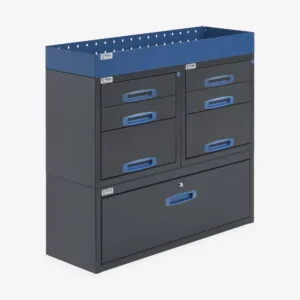
For an electrician, organization is paramount. You carry a mix of delicate testing equipment, heavy tools, and thousands of small, easily lost components. Your racking must protect and segment every item.
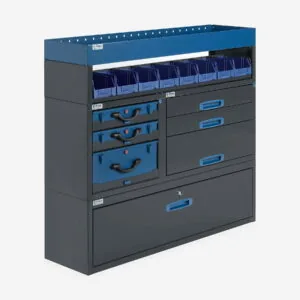
Plumbers deal with heavy tools, bulky fittings, and long lengths of pipe. Your racking must be tough enough to handle the weight and smart enough to make every item easily accessible.
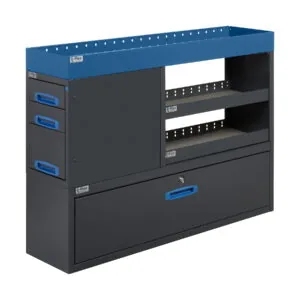
The material of your racking system dictates its durability, security, and long-term value. While DIY plywood solutions might seem like a cost-effective initial option, they fall short of the professional standard set by engineered steel systems. The choice you make directly reflects your commitment to durability, safety, and the professional image of your business.
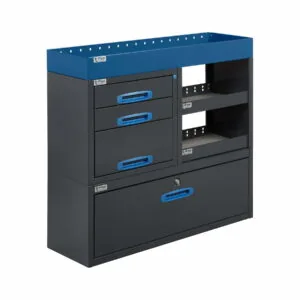
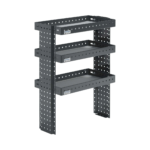
For a tradesperson whose livelihood depends on reliability, engineered steel is the only serious choice. It’s an investment in efficiency, safety, and the professional image of your business. A system like our durable 115 cm van racking unit is built for the workday and warrantied for a decade, ensuring it will outlast any temporary wooden solution and deliver a clear return on your investment.
An effective racking system is more than just shelves—it’s a strategically organized layout designed around your workflow. By zoning your van based on tool frequency and job type, you can minimize movement, speed up your processes, and complete more jobs each day. This transforms your van from a simple storage space into a high-performance mobile workstation.
Position your most-used tools and parts for immediate access from the side door. This is your grab-and-go station, designed to get you working in seconds, not minutes.
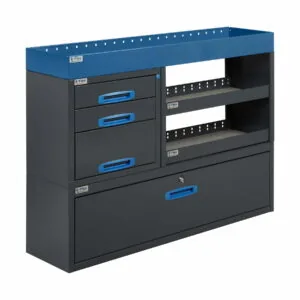
Reserve the interior of the van, often against the bulkhead, for heavier, bulkier, or less frequently used items. This keeps the vehicle’s center of gravity balanced and the main access points clear for daily tasks.
Keep pipes, conduit, and long levels off the floor and out of the way. A messy floor is not just inefficient—it’s a safety hazard.
“A properly organized van isn’t a luxury; it’s a fundamental business tool. It saves you time, protects your equipment, and sends a clear message to your clients: you are a professional who values efficiency and quality.”