The transition of commercial fleets toward electric power represents a major operational shift. As business owners swap internal combustion engines for electric drivetrains, they face a new set of logistical calculations. The core objective remains the same: transporting tools, materials, and equipment safely, efficiently, and reliably. However, the heavy battery systems in electric vans alter the physics of the cargo area, making weight management a top priority for modern fleet managers.
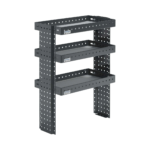
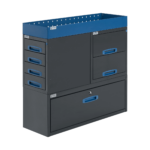
Traditional upfitting methods often rely on heavy, bulky steel racking or thick plywood floors. In a standard diesel van, this excess weight slightly increases fuel consumption. In an electric vehicle, however, excess weight directly drains the battery, shortening the maximum driving range. Implementing lightweight, high-strength steel equipment, such as modern service vehicle equipment, helps mitigate this issue. This choice directly preserves battery mileage, ensuring your technicians can complete their routes without requiring mid-day charging breaks.
Among the most effective modern upfitting solutions are space-saving pull-out loading platforms. These systems allow technicians to slide the entire cargo load out of the rear doors, providing instant access to tools without requiring them to climb into the vehicle. By choosing structurally optimized, lightweight steel designs over bulky traditional racking, fleet operators can optimize their mobile workspaces while protecting critical vehicle range.
To understand the necessity of lightweight materials, one must analyze the physical constraints of electric commercial vehicles. A typical electric cargo van carries a heavy lithium-ion battery pack. This battery is a fixed, non-negotiable part of the vehicle’s curb weight. Because the gross vehicle weight rating (GVWR) is legally capped, every additional kilogram of upfitting material directly reduces the actual cargo payload capacity that the van can legally carry.
Data from automotive testing authorities confirms that rolling resistance is highly sensitive to overall vehicle mass, particularly during stop-and-go city driving where commercial vans operate most frequently. When a vehicle carries excess weight, the electric motor must draw more energy from the battery pack to accelerate. This means that a heavy, traditional upfitted van will deplete its charge significantly faster than a van outfitted with lightweight, structurally optimized steel components.
Beyond weight management, operational efficiency is key to maintaining profitability. In traditional cargo vans, technicians must crawl, bend, or stretch into the cargo area to retrieve heavy tools or parts. This repetitive physical strain often leads to workplace injuries and slow retrieval times. Implementing pull-out loading platforms addresses this problem directly by bringing the entire workspace out to the operator.
These slide-out mechanisms operate on smooth, heavy-duty bearings. When a technician opens the rear doors and unlocks the platform with its robust release handle, the entire payload rolls out with a 70% extension, making everything accessible from a natural, upright standing position. This saves valuable work time on every single service call, directly contributing to more completed jobs per day.
To explore different configurations and layout possibilities for your fleet, you can browse the comprehensive options available in our shop. Engineered with a durable powder-coated steel frame, these platforms offer high load-bearing capacities of up to 250 kg in standard vehicles. For electric vehicles, they are safely installed using a specialized high-strength adhesive and chassis screws directly into the plywood floor, bypassing the need for through-bolts that could damage the under-chassis battery. This EV-optimized installation method supports a secure load capacity of up to 100 kg, ensuring your tools remain fully accessible and safely secured.
When evaluating storage solutions and pull-out loading platforms for an electric fleet, the structural design and material composition are the deciding factors for vehicle efficiency:
The physical distribution of cargo within an electric vehicle is just as critical as its overall weight. Because electric vehicle battery packs are located beneath the chassis floor, these vans naturally benefit from a low center of gravity. However, traditional upfitting configurations often disrupt this built-in balance. Installing bulky shelves or loading heavy equipment high on the vehicle walls creates a top-heavy weight distribution, which negatively affects steering responsiveness and increases body roll.
Installing a pull-out loading platform keeps the weight concentrated flat on the vehicle floor. This low-profile cargo arrangement aligns perfectly with the electric chassis design, preserving the vehicle’s natural handling characteristics. During sudden lane changes or emergency braking maneuvers, a lower center of gravity ensures the van remains stable, reducing the risk of tipping or losing traction.
By positioning the heaviest tools and materials directly onto a floor-level sliding system, the physical strain on the vehicle’s suspension is distributed evenly across both axles. This even distribution helps prevent premature wear on the tires and ensures the braking system functions at maximum efficiency.
While some fleet managers view high-quality professional upfitting as an upfront premium, a detailed total cost of ownership analysis reveals a rapid return on investment. According to vehicle efficiency studies, adding 100 kilograms of vehicle weight can increase an electric vehicle’s energy consumption by 2% to 5% depending on driving habits. Conversely, using lightweight, structurally optimized upfitting directly preserves range, translating to lower utility costs and decreased reliance on expensive public rapid-charging networks.
Furthermore, the financial impact of range anxiety and charging downtime must not be overlooked. When a technician is forced to pause their route to charge their vehicle, the company loses valuable labor hours and risks missing scheduled customer appointments. A structurally optimized pull-out platform minimizes the energy required to haul essential gear, keeping the vehicle on the road longer. This ensures that daily service routes remain predictable and fully optimized.
The durability of the materials chosen also impacts long-term profitability. High-grade, powder-coated steel structures do not rust when exposed to rain, snow, or commercial chemical spills. While basic, untreated steel setups may require replacement due to rust or structural wear within a few years, a professional E-Flex platform—backed by a 10-year warranty—maintains its structural integrity and clean appearance throughout the entire lifecycle of the vehicle.
Upfitting with professional steel storage solutions delivers compounding savings across several operating categories:
Successfully managing an electric service fleet requires an integrated approach to weight, safety, and operational speed. Upfitting electric vans with lightweight, structurally optimized equipment offers a direct path to preserving battery life, maintaining precise road handling, and maximizing technician productivity. By choosing high-strength steel pull-out loading platforms, fleet operators protect their vehicles’ range, reduce long-term maintenance costs, and establish a highly professional mobile workspace that is engineered for modern demands.
Managing the weight profile of an electric commercial vehicle requires smart, durable equipment designed for the modern mobile professional. Our heavy-duty E-Flex pull-out loading platforms provide a highly efficient, structurally optimized workspace setup that maximizes EV driving range and improves daily technician workflow.