




For a tradesperson or a fleet manager, a van is not just a tool; it is a significant capital asset. When it comes time to upgrade or rotate your fleet, the condition of the cargo area is often the first thing a prospective buyer examines. A van with a floor full of holes, rust patches, and scratched-up interior panels sends a clear signal of neglect. Conversely, a vehicle that has been protected by a high-quality storage system maintains a significantly higher market price.
The van racking resale value of your vehicle is tied directly to the integrity of the metal. Buyers in the used market—whether they are private contractors or large firms—are looking for “clean” vans that do not require immediate bodywork or rust treatment. If you have utilized a racking system that utilizes existing mounting points rather than creating new ones, the van’s interior will remain pristine. This demonstrates to the buyer that the vehicle was operated by a professional who values their equipment, which often translates to better maintenance of the engine and drivetrain as well.
Traditional racking installation often involves drilling dozens of holes through the van’s floor and side ribs. While this might seem like a standard procedure, it is effectively a permanent modification that damages the vehicle’s structural integrity and its factory-applied protective coatings. Every hole drilled is a potential point of failure. These holes expose the raw steel of the chassis to the elements, leading to “crevice corrosion” that is difficult to stop once it begins.
When you attempt to sell a van with these modifications, the van racking resale value can drop by thousands of pounds. A buyer sees those holes as future repair bills. In many cases, if a buyer wants to install their own custom layout, they are forced to deal with your old, poorly placed holes that may not line up with their needs. This makes the van less “modular” and less attractive to a broad range of industries. By avoiding the drill, you keep the van in its original factory state, which is the gold standard for resale.
Rust is the primary enemy of a commercial vehicle’s longevity. Standard vans come from the factory with complex galvanization and paint processes designed to prevent corrosion. The moment a drill bit pierces that surface, that protection is gone. In damp climates or areas where salt is used on roads, moisture finds its way into these holes, trapped between the van floor and the racking system. This creates a “hidden” rust problem that might not be visible until you remove the racking to sell the van.
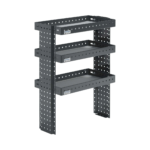
Our no-drill systems are engineered to interface with the van’s original tie-down points and factory holes. This preserves the factory finish. Furthermore, the materials used in the racking itself matter. Our shelving is constructed from 1.5 mm steel, providing a robust frame that doesn’t rely on being “bolted through” the chassis to stay stable. By using the van’s engineered strength points, you ensure that the van racking resale value remains high because the vehicle remains structurally sound and rust-free.
The value of a professional racking system extends beyond the vehicle it is currently in. When you invest in a durable system, you aren’t just buying it for one van; you are buying it for your business for the next decade. Because our systems are designed with high-quality components and carry a 10-year warranty, they are built to outlast the typical lifecycle of a single work van.
A modular, no-drill system can be uninstalled as easily as it was put in. When you decide to sell your current van, you can remove the shelving and drawers, leave the van in perfect condition, and transfer that equipment to your new vehicle. This doubles your ROI. You get a higher price for the “clean” used van, and you save thousands by not having to purchase a completely new racking setup for your next vehicle. This flexibility is a core component of maintaining a healthy van racking resale value across your entire business history.
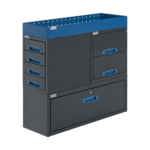
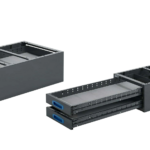
A professional image is a currency in the trades. This is true when you are pitching to a client, and it is equally true when you are selling your van. A well-organized van equipped with professional drawers—featuring 40 kg load capacities for standard units and up to 130 kg for long drawers—shows that the vehicle was used for organized, efficient work rather than chaotic hauling.
Prospective buyers are more likely to pay a premium for a vehicle that looks like it belonged to an expert. If the interior metal is free of dents and the floor is clean, it suggests that the tools were secured and the vehicle was driven with care. Protecting the interior with proper van racking resale value strategies is the most effective way to prove the vehicle was never overloaded or abused. It’s a visual “service history” that speaks louder than a logbook.
Consider the financial math of a cheap, drill-heavy installation versus a professional no-drill system. If you save a few hundred pounds on a low-quality rack that requires 30 holes in the floor, you are likely losing triple that amount in depreciation. At the time of resale, a buyer might demand a discount for the damage, or you may need to spend money at a body shop to have the holes welded, filled, and resprayed to make the van presentable.
Furthermore, the downtime required for such repairs eats into your profitability. A no-drill system requires no such “make-ready” work before a sale. You simply remove the bolts from the factory points, and the van is ready for the market. When you calculate the van racking resale value, you must include the “cost of removal” and “cost of repair.” A professional system from Vanshelves.com minimizes both, ensuring that the money you put into the racking is an investment that pays you back at both ends of the vehicle’s life.
Choosing the right equipment is about more than just storage; it is about asset management. To ensure you are getting the most out of your vehicle, look for systems that offer specific engineering advantages. Our shelving, manufactured from 1.5 mm steel, provides the necessary rigidity for heavy-duty use without requiring invasive installation techniques. Whether you need drawers for small parts or heavy-duty long drawers capable of holding 130 kg, the focus should always be on how that system interacts with the van’s shell.
By prioritizing a no-drill approach, you are choosing a solution that respects the engineering of the vehicle manufacturer. You avoid the “quick fix” mentality that leads to rust and structural decay. Instead, you opt for a durable, Finnish-engineered solution that safeguards your van racking resale value. Protect your investment today so that it continues to provide value when it’s time to move on to the next one.
Ready to upgrade your van without damaging its value?
The van racking resale value is a critical metric for any business. Don’t let a drill bit destroy your vehicle’s future worth. Choose a system built for professionals, warrantied for a decade, and designed to keep your van in peak condition.